Drones are moving into a broader range of commercial applications as advances in robotics, artificial intelligence and autonomous systems make it possible for these machines to perform tasks that previously required workers to operate at height or in difficult environments.
The shift is expanding the role of drones beyond photography, mapping and surveillance. Companies are now exploring their use in areas such as infrastructure inspection, logistics, agriculture, construction and industrial maintenance.
Commercial cleaning is emerging as another application, particularly for buildings where exterior maintenance can require workers to operate from suspended platforms, ropes or other access systems.
That is the market SkyPSI is entering with a model built around drone powered cleaning for commercial properties.
From drone hardware to commercial services
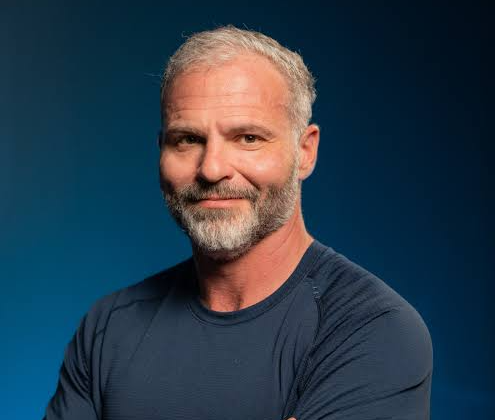
SkyPSI launched in Dallas Fort Worth with $5 million in funding from founder and CEO Vic Pellicano. Rather than selling drones as standalone hardware, the company is building a service and operating model around them.
The company provides professional cleaning drones, training and certification for independent operators while connecting them with commercial cleaning contracts. Its initial focus is exterior cleaning, including windows and building facades.
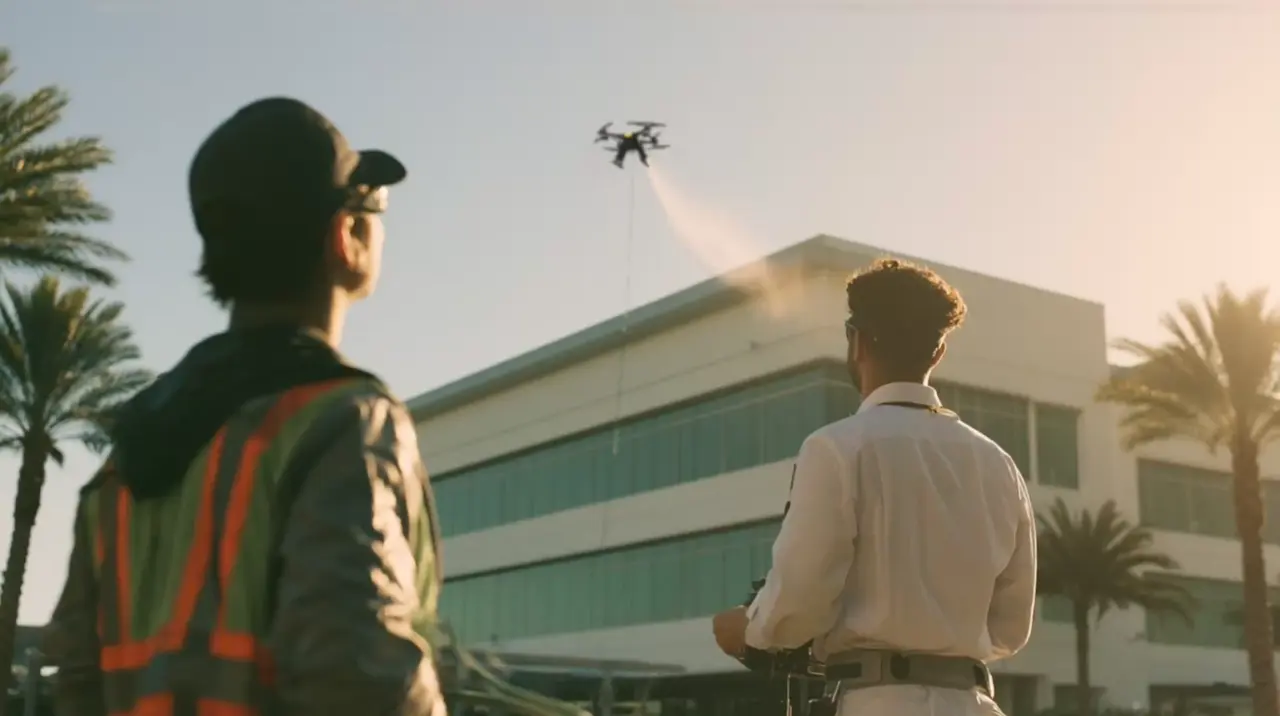
SkyPSI says its operators can use drones to clean commercial buildings while remaining on the ground, reducing the need for workers to perform certain high access tasks directly.
The company currently offers services including commercial and high rise window cleaning, drone pressure washing and drone soft washing, alongside conventional methods for areas where aerial cleaning is not appropriate.
The approach addresses a limitation that has affected the adoption of commercial robotics: access to hardware does not necessarily provide everything required to operate a viable business.
Operators also need training, certifications, insurance, customers and contracts. SkyPSI’s model is designed to bring those components together and connect independent operators with commercial demand.
“We connect them with commercial properties, we bring them into jobs we’ve already won, we teach them to sell themselves,” said Pellicano in an interview with The Sociable. “We’re the company behind them, supporting them technically, in sales and marketing, everything, so we’re just helping them out as they grow their businesses.”
The company initially plans to operate across Dallas Fort Worth and expand through the Texas Triangle before moving into additional US markets. Its target customers include hotels, senior living communities, office buildings, multifamily and HOA communities, medical facilities, parking structures and retail and mixed use developments.
SkyPSI’s launch reflects a broader change in commercial robotics: the value of a machine increasingly depends not only on what the hardware can do, but on the software, services and operational infrastructure built around it.
For the drone industry, that could open another path for adoption. Instead of treating drones solely as equipment purchased by large organizations, companies can build service models in which the machines become part of a broader commercial operation.
In SkyPSI’s case, the first application is cleaning buildings. The larger experiment is whether drones can become practical tools for performing physical work while reducing exposure to some of the risks associated with those tasks.
As AI and robotics continue moving into physical environments, commercial applications such as drone powered cleaning could become an increasingly visible part of that transition.